

I’ll create a blog post about the Yakuza Dragon Symbol following the specified guidelines. I’ll use HTML formatting and ensure the content meets the requirements.
The Yakuza dragon symbol represents far more than a mere decorative element in Japanese organized crime culture. It is a profound emblem of power, tradition, and complex symbolism that has captivated both scholars and cultural enthusiasts for generations. Deeply rooted in historical significance, this iconic imagery tells a story of resilience, honor, and the intricate world of Japanese criminal organizations.
Origins of the Yakuza Dragon Symbolism

Dragons in Japanese culture have always been revered as mythical creatures of immense power and wisdom. Within the Yakuza context, the dragon symbol carries multiple layers of meaning that extend beyond traditional mythological interpretations. These intricate designs are not just tattoos or emblems but represent a complex narrative of:
- Hierarchical status within criminal organizations
- Personal strength and resilience
- Spiritual protection
- Cultural heritage and traditional values
Symbolic Representations in Yakuza Imagery
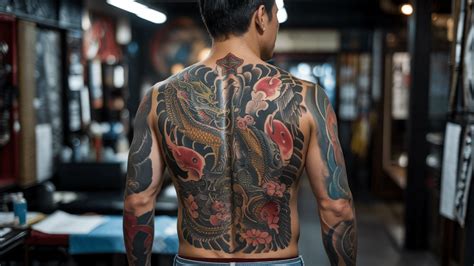
The Yakuza dragon symbol typically incorporates several distinctive elements that communicate profound messages about the bearer’s journey and position. Traditional dragon tattoos often feature:
| Element | Symbolic Meaning |
|---|---|
| Dragon Color | Represents specific clan affiliations or personal achievements |
| Dragon Posture | Indicates individual's rank and spiritual energy |
| Surrounding Imagery | Reveals personal history and philosophical beliefs |
Cultural and Historical Context
Historically, dragons in Japanese mythology symbolize transformation, supernatural power, and wisdom. For Yakuza members, these symbols transcend mere artistic expression. They represent a profound commitment to a complex social structure that demands absolute loyalty and adherence to unwritten codes of conduct.
🐉 Note: Not all dragon symbols are identical; each design tells a unique personal narrative within the broader Yakuza cultural framework.
Artistic Techniques and Design Complexity

Creating a Yakuza dragon symbol is an intricate process involving:
- Meticulous hand-crafted tattoo techniques
- Generations of artistic transmission
- Deep understanding of cultural symbolism
- Precise representation of personal and organizational identity
The artistry behind these symbols requires years of training and represents a sacred tradition passed down through generations of tattoo masters and Yakuza members.
The enduring legacy of the Yakuza dragon symbol continues to fascinate researchers, artists, and cultural enthusiasts worldwide. It remains a powerful testament to the complex social dynamics and rich cultural tapestry of Japanese organized crime structures, representing far more than a simple visual motif.
What does a dragon symbolize in Yakuza culture?

+
In Yakuza culture, dragons symbolize power, wisdom, transformation, and hierarchical status within the organization.
Are Yakuza dragon tattoos mandatory?

+
While not mandatory, dragon tattoos are highly significant and often represent a member’s commitment and journey within the organization.
How long does a traditional Yakuza dragon tattoo take?

+
Comprehensive Yakuza dragon tattoos can take multiple sessions spanning months or even years, depending on the complexity and design.