
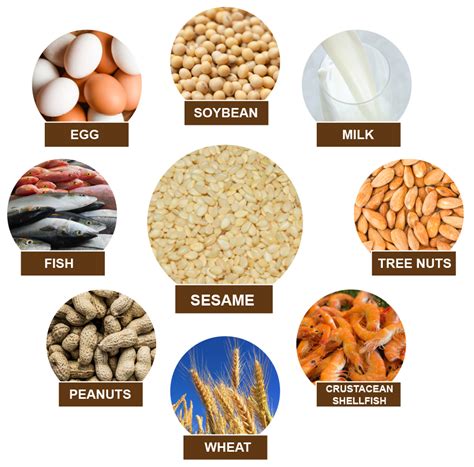
What Common Product Incorporated Peanuts is a phrase that helps shoppers understand where peanut ingredients might hide in everyday items. In practice, this means peeking beyond obvious peanut butter and peanut cookies to examine sauces, seasonings, cosmetics, and even some prepared meals. This guide explains where peanuts commonly appear, how labeling works, and practical steps for safer shopping.
Where peanuts commonly appear in products

Peanuts can appear in several formats, including whole peanuts, peanut butter, peanut oil, peanut flour, and peanut derivatives. They may be listed simply as “peanuts” or by synonyms such as “Arachis hypogaea” or “peanut oil.” Since peanuts are widely used to add flavor and texture, it’s common to encounter them in snacks, sauces, baked goods, cereals, and ready-to-eat meals.
Key Points
- Peanuts appear not only in obvious forms but also in hidden formats such as peanut oil, peanut flour, and flavorings used in snacks, sauces, and baked goods.
- Allergen labeling varies by region; statements like "contains peanuts" or "may contain peanuts" help but are not guarantees against exposure.
- Cross-contact risks exist in facilities processing multiple allergens, so packaging and facility controls matter for safety.
- Non-food products, including cosmetics and pet foods, may contain peanut derivatives, so check labels on non-edible items too.
- Develop a label-reading habit: know common peanut terms and contact manufacturers if you have severe allergies or questions.
Assessing What Common Product Incorporated Peanuts in Your Kitchen and Home
Practical guidance on auditing pantry items, checking ingredient lists, and implementing a simple allergen-check routine. Create a quick kitchen checklist, keep an emergency plan if needed, and establish separate utensils and storage for peanut-containing products to reduce cross-contact risk.
Common product categories to inspect
- Snack foods and trail mixes featuring peanuts or peanut oil
- Baked goods, cookies, granola bars, and cereals containing peanut butter or pieces
- Sauces, dressings, and seasonings that use peanut oil or peanut flavoring
- Ready meals, soups, and international dishes with peanut components
- Cosmetics, skincare, and pet foods that include peanut derivatives
Tips for reading labels and staying safe
Always scan ingredient lists for peanuts, groundnuts, and botanical names like “Arachis hypogaea.” Watch for allergen statements such as “contains peanuts” or facility warnings like “made on shared equipment.” When traveling or buying from unfamiliar brands, contact customer service for confirmation and consider carrying an emergency plan if you have a severe allergy.
How can I identify peanut ingredients under different names?
+Look for explicit mentions: peanuts, groundnuts, Arachis hypogaea, and peanut oil. Review all ingredient lists and allergen declarations. When terms are unfamiliar, check with the manufacturer or avoid the product if your exposure risk is high.
Do peanut ingredients appear in cosmetics or personal care products?
+Yes. Some cosmetics, skincare items, and personal care products may use peanut oil or peanut-derived extracts. Always read the ingredients and, if in doubt, consult the brand’s customer service or choose products labeled peanut-free.
Are “may contain peanuts” warnings reliable across brands and regions?
+These warnings indicate potential cross-contact but are not a guarantee of safety for highly sensitive individuals. Regional labeling standards vary, so it’s wise to treat them as a precaution and take additional steps like contacting the manufacturer for specifics when possible.
What steps can I take to shop safely if I have a peanut allergy?
+Plan ahead, read ingredients carefully, and prefer trusted brands with clear allergen controls. If possible, shop from stores that provide detailed allergen statements, keep a pantry list of safe products, and carry any prescribed emergency medications as advised by your clinician.
How should I handle peanuts when traveling or buying international foods?
+Labeling standards differ by country, so translate ingredient terms and ask for allergen information in the local language. When uncertain, choose certified peanut-free options or avoid products with ambiguous labeling, and consider contacting local vendors or airlines for confirmation.