
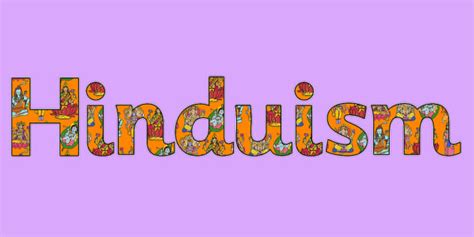
Hinduism In Bubble Letter is more than a decorative style; it is a way to present ancient symbols, mantras, and stories with a contemporary, accessible voice. In this article, we explore how bubble-letter typography can honor sacred forms while inviting curiosity from learners, designers, and devotees alike.
From the softly rounded strokes that soften the edge of sacred glyphs to the careful arrangement of symbols for legibility, Hinduism In Bubble Letter invites a dialogue between tradition and modern visual culture. It is not about replacing revered imagery, but about presenting it in a form that is approachable, memorable, and shareable across classrooms, galleries, and digital media.
Key Points
- Hinduism In Bubble Letter translates sacred glyphs into rounded forms without diluting meaning, preserving reverence while boosting approachability.
- Techniques for rendering Devanagari or Sanskrit transliterations in bubble style help maintain legibility across sizes and mediums.
- Color and motif choices in bubble typography reinforce symbolic associations (such as saffron, red, and gold) used in Hindu devotional art.
- The approach supports education and outreach by making complex concepts more engaging for diverse audiences.
- Practical steps include sketching, vectorizing, and testing readability on screens and print surfaces to ensure consistency.
Techniques for Crafting Hinduism In Bubble Letter
When shaping bubble-letter renditions of sacred text and imagery, designers emphasize readability, reverence, and rhythm. Start with warm, rounded letterforms that preserve the recognizable structure of the original script, then adjust spacing to prevent crowding around diacritics. Layer motifs—such as mandalas or lotus petals—as gentle accents rather than overpowering focal points. This balance helps keep the sacred intent intact while inviting a wider audience to engage with the material.
Test across media types, from large posters to small icons, ensuring that color choices align with cultural symbolism and remain accessible to color-blind readers. The goal is a cohesive visual language that enhances comprehension without compromising dignity.
What is Hinduism In Bubble Letter?
+Hinduism In Bubble Letter is a design approach that renders sacred words and symbols with rounded, bubbly letterforms. The aim is to preserve meaning and reverence while introducing a modern, approachable aesthetic that can appeal to diverse audiences.
How can bubble-letter typography respect sacred symbols?
+Respect comes from preserving the core shapes, ratios, and meanings of symbols while using rounded forms that soften but do not distort their identity. Designers should consult cultural guidelines and seek feedback from knowledgeable practitioners to avoid misrepresentation.
Can this style be used in educational materials and temples?
+Yes, with thoughtful application. In educational contexts, bubble-letter typography can make concepts more approachable. In temple or devotional contexts, use sparingly and in collaboration with scholars or priests to ensure readability and reverence are preserved.
What tools and methods work best for creating Hinduism In Bubble Letter?
+Begin with pencil sketches to explore rounded glyph shapes, then move to vector software for clean lines and scalable assets. Use layers for diacritics, decorative motifs, and color washes. Regularly test legibility at different sizes and on both print and digital surfaces.
Are there examples where this style enhances understanding of deities or mantras?
+There are projects where bubble-letter typography frames mantras with gentle halos or mandala-inspired borders, highlighting key phrases while keeping the composition balanced. The best examples show clarity of the mantra alongside respectful visual cues that honor the deity’s symbolism.