
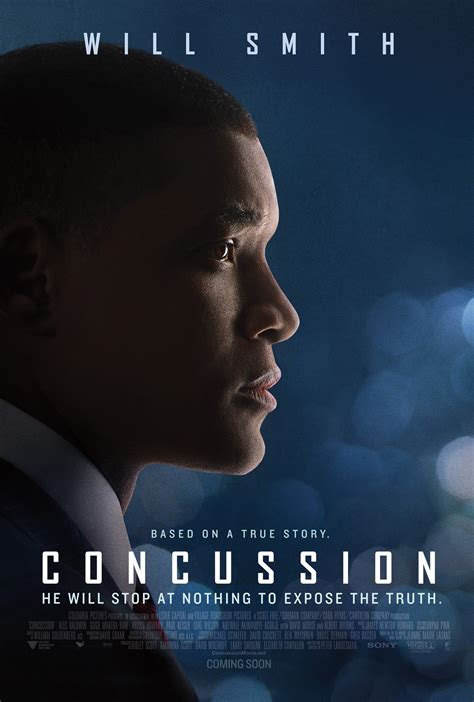
Concussion Movie Summary And Analysis: Overview

Concussion Movie Summary And Analysis offers a concise, SEO-friendly look at the 2015 biographical drama that follows Dr. Bennet Omalu as he uncovers the link between repeated head trauma and chronic traumatic encephalopathy. This Concussion Movie Summary And Analysis guides readers through the main plot, key themes, and the film’s real-world impact, helping you understand why the story resonates beyond the screen.
Key Points
- The film centers on rigorous scientific inquiry challenging a powerful sports institution.
- Dr. Bennet Omalu’s persistence highlights the costs and courage involved in publishing uncomfortable findings.
- Ethical questions around truth-telling vs. career risk and the costs of scientific dissent are central.
- The narrative blends courtroom and medical drama to explore accountability and reform.
- Impact on public discussions of head injuries and sports safety continues to shape policy debates.
Plot Summary
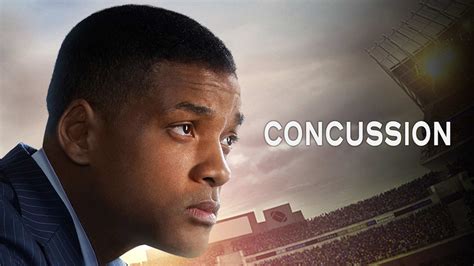
In Concussion, a meticulous forensic pathologist, Dr. Bennet Omalu, performs the autopsy of former NFL star Mike Webster and discovers a degenerative brain disease that appears to be linked to repetitive concussive injuries. The film follows his painstaking research as he builds a case for CTE, navigates pushback from the NFL, his own family life, and the personal toll of standing up to a powerful institution. The suspense rests not just on discoveries, but on the resistance and the tenacity required to publish findings that could alter a multi-billion dollar industry.
Themes and Analysis
One through-line in this Concussion Movie Summary And Analysis is the clash between scientific integrity and institutional power. The movie portrays how data, not rhetoric, becomes the currency of change, while also showing the personal sacrifices involved in pursuing unpopular truths. Ethics, courage, and evidence drive the narrative, reminding viewers that breakthroughs often come with professional and personal risk. CTE awareness and informed medical dialogue emerge as lasting outcomes of the story.
Character Focus
The portrayal of Dr. Omalu emphasizes intellectual curiosity paired with moral conviction. The supporting cast—lawyers, doctors, and athletes—offers perspectives on how communities respond to difficult science. This part of the analysis highlights how a single investigator can catalyze broad conversations about safety and responsibility.
Impact and Reception
Concussion sparked renewed attention to head injuries in contact sports and contributed to ongoing policy debates about concussion protocols and protective equipment. The film’s reception reflects a broader cultural shift toward transparency about brain health in athletics, journalism, and medicine. In this analysis, the movie is not just a biopic but a case study in how storytelling can influence real-world dialogue and policy.
Cinematic Approach and Performances
The film employs a restrained, character-driven approach supported by strong performances, especially by the lead actor. The pacing, editing, and score work together to translate complex medical debates into accessible drama, helping audiences grasp why the issues matter.
What is the central conflict in Concussion?
+The central conflict pits Dr. Bennet Omalu’s scientific findings about CTE against powerful institutions with a stake in maintaining the status quo, illustrating the tension between truth-seeking research and organizational resistance.
How does the film portray the topic of CTE and brain health?
+It presents CTE as a real, measurable condition linked to repetitive head trauma, using medical evidence and patient stories to explain why brain health should matter to athletes, fans, and policy makers alike.
What themes tie the story to real-world actions?
+Key themes include courage in the face of institutional pressure, the ethics of scientific publishing, accountability in sport, and how public discourse can drive safety reforms.
Is the film a strict documentary or a narrative reinterpretation?
+It’s a narrative dramatization inspired by real events, balancing factual elements with cinematic storytelling to convey the stakes and emotions involved in the investigation.